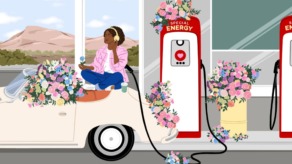
Feeling overwhelmed, sad or alone? The answer may lie in being kind

Practicing so-called random acts of kindness gives us all a tangible and easy way to make another person happy, and that perpetuates happiness. Why does it feel so good to give? 5 side effects of kindness, according to biochemist David Hamilton.
- Kindness makes you happier. When we do something nice for another person we feel good, because deep down we know it’s the right thing to do. What’s more, our brain makes the ‘happiness chemical’ called dopamine, a kind of natural feel-good drug.
- Kindness is good for your heart. Emotional warmth releases oxytocin, the ’cuddle hormone’. It expands the blood vessels, which reduces your blood pressure and lowers your stress levels. This is good for your heart.
- Kindness slows ageing. Oxytocin also reduces the number of free radicals and inflammation in the cardiovascular system—key aspects that contribute to the ageing process.
- Kindness improves relationships. It reduces emotional distance, so that we feel more connected to others. This dates back to the times of our ancestors, when cooperation was essential to survival.
- Kindness is contagious. Being nice inspires others to do the same and research has shown that this creates a ripple effect outward to our friends’ friends’ friends— to three-degrees of separation.
Read more
- Can’t stop overthinking? These are the benefits of worrying.
- 10 ‘mindless’ and useless things to do.
- Attention is the new gold: 10 tips for focussing.
Text Anneke Bots Photography Neonbrand/Unplash